


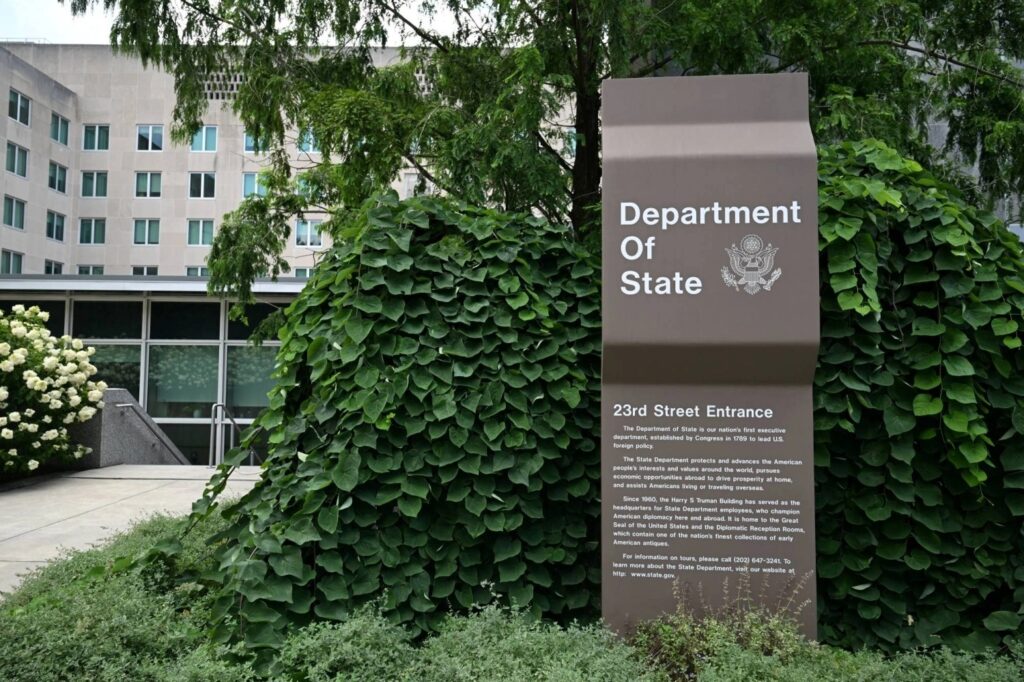
WASHINGTON — The U.S. State Department has notified Congress that it plans to close five foreign missions in a rare downsizing of America’s global diplomatic footprint.
In a significant shift in international foreign policy, the U.S. State Department has officially notified congressional committees of its intent to shutter several key overseas outposts. The proposed closures include strategic posts in Nagoya, Japan, Medan, Indonesia, and Winnipeg, Canada, alongside missions in Grenada and Cameroon.
Downsizing the Diplomatic Footprint
The planned closures mark a rare, sweeping reduction in America’s international presence that is not tied to a specific localized conflict. Instead, the move aligns with the broader “America First” restructuring push led by the administration to streamline government operations and cut costs.
Affected Global Outposts
-
Nagoya, Japan: A vital regional post impacting U.S.-Japan commercial and cultural relations outside Tokyo.
-
Medan, Indonesia: A critical consulate representing American interests in one of Southeast Asia’s major economic hubs.
-
Winnipeg, Canada: A northern neighbor post handling localized cross-border administrative and diplomatic needs.
-
St. George’s, Grenada & Douala, Cameroon: Affected embassy and branch office locations rounding out the five targeted cuts.
Geopolitical Concerns and Criticism
While administration officials, including Secretary of State Marco Rubio, have defended the measures as a necessary step to right-size an over-bureaucratic foreign apparatus, the plan has sparked immediate pushback.
Risks of Leaving a Diplomatic Vacuum
-
Criticism from Lawmakers: Democratic legislators and former national security officials warn that scaling back diplomatic engagement weakens global leadership.
-
Strategic Competitors: Analysts note that while the U.S. scales back its presence in locations like Nagoya and Medan, rival nations like China maintain an active diplomatic footprint in those regions, risking a dangerous power vacuum.
As Capitol Hill reviews the formal notifications, the State Department maintains that it remains committed to ensuring an efficient and effective global network.











Comment