



WASHINGTON — American consumer spending picked up noticeable momentum mid-summer, with official data from the U.S. Census Bureau showing that retail sales rose past expectations in July.
The positive rebound reassures economists and financial markets that consumer demand remains a reliable engine for U.S. economic growth, calming recent fears of an impending consumer slowdown amid shifting employment dynamics.
Consumer Demand Drives July Retail Sales Expansion
Total retail and food services sales increased across multiple key categories, driven by strong online promotional events, automotive sales, and resilient core retail purchasing.
The mid-summer spending surge highlights the adaptability of American households, who continue to prioritize essential goods, seasonal travel, and digital marketplace deals despite elevated interest rates.
-
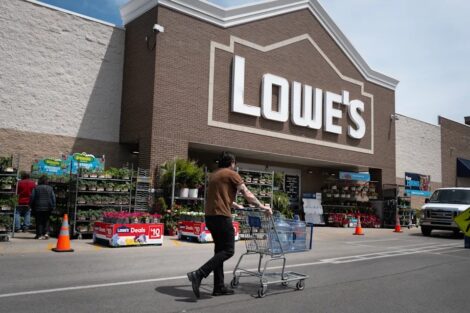
E-Commerce and Promotional Surges: Online retailers recorded strong volume gains, fueled by major summer promotional events like Amazon Prime Day and competing sales from big-box retailers.
-
Auto and Parts Dealer Gains: Vehicle sales and auto parts purchases rebounded significantly after inventory disruptions stabilized, boosting headline sales figures.
-
Bar and Restaurant Resilience: Spending at food services and drinking places—a key indicator of discretionary consumer confidence—continued to grow year-over-year.
July U.S. Retail Sales Snapshot:
• Headline Retail Sales Growth: Stronger-than-expected month-over-month increase
• Core Retail Sales (Excluding Autos & Gas): Steady upward momentum
• Top Performing Sectors: Non-store retailers (E-Commerce), Auto dealers, Health & Personal Care
• Economic Impact: Lowers short-term recession risks and reinforces GDP projections
Economic Implications for Federal Reserve Rate Decisions
The robust retail sales report provides critical context for the Federal Reserve as monetary policymakers evaluate the overall trajectory of the U.S. economy ahead of their upcoming interest rate decisions.
A resilient consumer sector reduces immediate pressure on central bankers to implement aggressive emergency rate cuts, supporting a more measured approach toward monetary policy normalization.
Strategic Financial Takeaways
-
Steady Gross Domestic Product (GDP) Growth: Strong consumer spending directly supports third-quarter GDP growth estimates, indicating that the broader economy remains on solid footing.
-
Balanced Inflation Dynamics: While spending remains robust, moderating price pressures suggest consumers are shopping value-consciously rather than overextending credit.
-
Labor Market Stabilization: Continued consumer outlay signals that household income levels and employment stability remain sufficient to support ongoing retail activity.
Economic Outlook and Fall Retail Trends
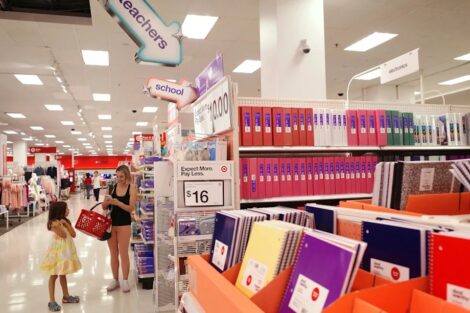
As retailers clear out summer inventory and prepare for back-to-school and early holiday shopping campaigns, analysts will closely monitor credit card utilization rates and real wage growth to determine whether July’s positive momentum carries into the final quarter of the year.
For comprehensive macroeconomic analysis and updates, visit the official CNN Economy Hub.










Comment