


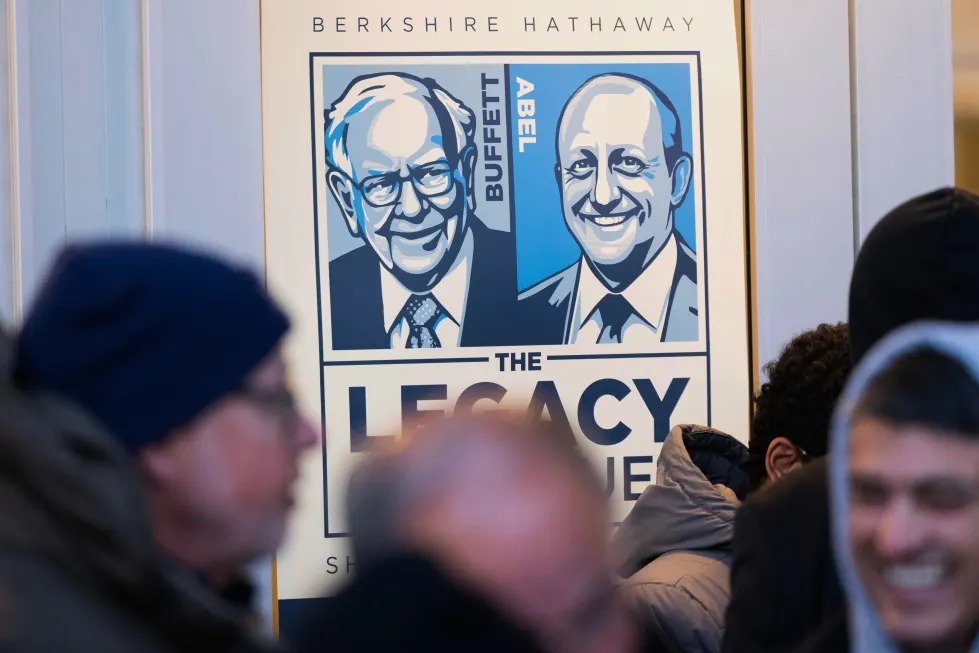
OMAHA, Neb. — Warren Buffett’s Berkshire Hathaway has released its latest quarterly 13F filing, revealing significant portfolio adjustments that include trimming major equity positions while expanding its massive cash stockpile to unprecedented levels.
Under the leadership of Chief Executive Officer Warren Buffett and designated successor Greg Abel, the Omaha-based conglomerate continued its multi-quarter trend of net stock selling, signaling a cautious approach toward current public market valuations.
Major Portfolio Adjustments: Berkshire Cuts Key Tech and Bank Positions
The SEC filing offers institutional investors and Wall Street analysts a clear view into Berkshire’s shifting capital allocation strategy during the second quarter.
Most notably, the firm continued to pare down its flagship holdings in long-term tech favorites while adjusting its exposure across the financial and consumer sectors.
-
Continued Apple Stake Reduction: Berkshire reduced its massive stake in Apple Inc., though the tech giant remains the single largest equity holding in the portfolio by a wide margin.
-
Banking Sector Trimming: The conglomerate trimmed its positions in major financial institutions, including Bank of America, locking in substantial realized gains.
-
Selective New Acquisitions: Despite overall net equity selling, Berkshire made modest additions to select consumer staples, energy providers, and industrial services.
Berkshire Hathaway Q2 Portfolio Summary:
• Primary Action: Net Seller of Public Equities
• Cash & Short-Term Treasury Reserve: Reached record high exceeding $300 Billion
• Largest Portfolio Holding: Apple Inc. (Position scaled back, remains #1)
• Key Strategy: Capital preservation and high-yield short-term T-bill allocation
Massive Cash Fortress: Why Buffett and Abel Are Accumulating Cash
Berkshire Hathaway’s cash and short-term U.S. Treasury bill holdings surged past historic records, providing the firm with extraordinary financial flexibility.
With short-term Treasury yields remaining attractive, Buffett has opted to keep a substantial portion of Berkshire’s capital liquid rather than deploying it into overvalued corporate acquisitions.
Key Factors Shaping Berkshire’s Capital Strategy
-
Valuation Discipline: Buffett and Abel have consistently emphasized that Berkshire will only make major acquisitions or buybacks when target companies are priced at attractive intrinsic values.
-
High-Yield Treasury Returns: Parking capital in short-term U.S. Treasuries continues to generate billions of dollars in risk-free annual interest income for Berkshire shareholders.
-
Succession Readiness: As Greg Abel prepares to oversee Berkshire’s non-insurance operations and capital deployment, the massive cash cushion provides a rock-solid foundation for future investment decisions.
Wall Street Impact and Investor Takeaways
Berkshire’s persistent capital preservation strategy serves as a widely watched signal for broader financial markets, indicating that one of history’s most successful investors sees limited buying opportunities in the current stock market environment.
For ongoing financial coverage and Berkshire Hathaway portfolio updates, follow AP News Business.











Comment