


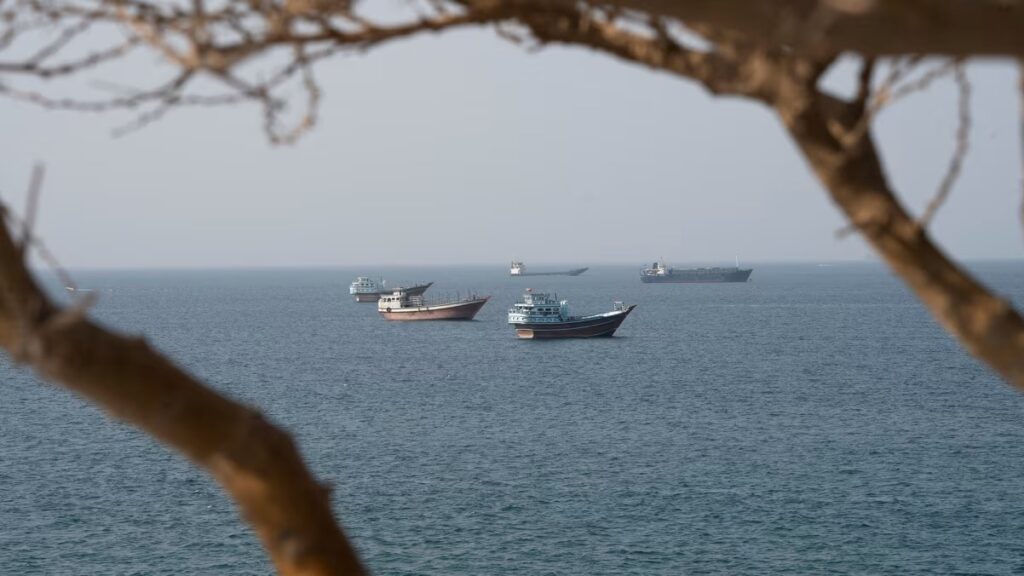
TEHRAN / NEW YORK — Energy markets were rattled this week following heightened geopolitical tensions in the Strait of Hormuz, triggering fresh fears over global crude oil supply disruptions and sending benchmark oil prices higher.
According to military reports and maritime security updates from the Persian Gulf, recent Iranian naval maneuvers and escalating rhetoric near the critical shipping choke point have prompted international oil tankers to exercise extreme caution, driving up maritime shipping rates and energy futures.
The Strategic Importance of the Strait of Hormuz to Global Energy Supply
The Strait of Hormuz, located between Oman and Iran, remains the world’s most vital oil transit choke point, connecting major Middle East crude producers directly to global consumer markets in Asia, Europe, and North America.
Energy analysts warn that even minor military friction or delays in tanker movement through the narrow waterway can produce immediate shocks across global financial markets and retail gas prices.
-
Massive Petroleum Flow: Approximately 20% of the world’s petroleum supply—averaging over 20 million barrels of crude oil and refined products per day—passes through the narrow 21-mile-wide transit lane.
-
Liquefied Natural Gas (LNG) Hub: Beyond crude oil, significant volumes of global Liquefied Natural Gas (LNG) exports, particularly from Qatar, travel through the strait to supply European and Asian power grids.
-
Surging Insurance and Freight Rates: Marine insurers have raised war-risk premiums for commercial vessels operating in the Persian Gulf, significantly increasing shipping costs for global energy importers.
Strait of Hormuz Global Energy Overview:
• Daily Oil Volume: ~20 Million Barrels Per Day (BPD)
• Global Share: ~20% of total world petroleum consumption
• Primary Destination Markets: Asian Economies (China, India, Japan, South Korea)
• Strategic Risk Drivers: Military intercepts, maritime mines, naval exercises, shipping delays
Market Impact: How Rising Geopolitical Risk Influences Oil Benchmarks
Following news of the escalation, international oil benchmarks—including Brent Crude and West Texas Intermediate (WTI)—experienced immediate price surges as commodities traders priced in a heightened geopolitical risk premium.
Financial analysts from major investment banks suggest that prolonged uncertainty in the region could complicate central bank efforts to manage broader inflation trends.
Key Factors Shaping the Energy Outlook
-
OPEC+ Production Capacity: While member nations retain spare crude production capacity, rerouting supply around the Persian Gulf remains logistically challenging without access to major pipeline bypasses.
-
Impact on Consumer Inflation: Sustained oil price increases risk spilling over into transportation, aviation, and manufacturing costs, putting upward pressure on consumer price indexes worldwide.
-
Naval Escorts and Maritime Defense: International naval coalitions are increasing monitoring patrols across the Gulf of Oman and Bab-el-Mandeb to safeguard commercial shipping lanes and stabilize maritime commerce.
Global Economic Outlook and Market Monitoring
As diplomats and international maritime agencies work to de-escalate regional tensions, commodities traders and supply chain executives continue monitoring daily tanker flow data through the region.
For real-time financial tracking, commodity quotes, and global business coverage, follow CNN Business.












Comment