


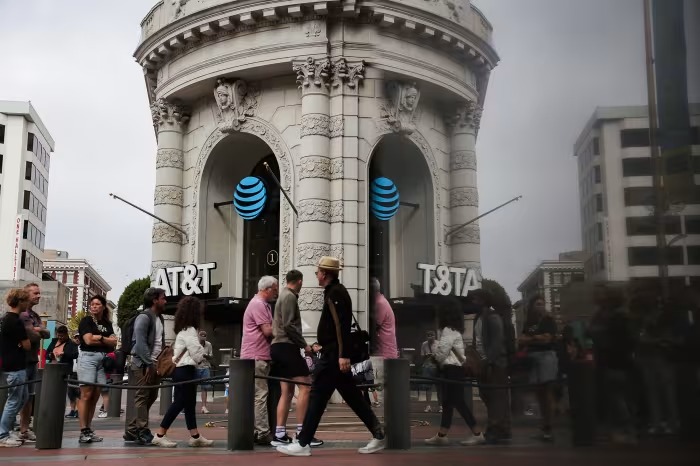
NEW YORK — As global telecom giants navigate shifting market dynamics and heavy capital expenditures, income-focused investors are increasingly asking a critical question: Are high-yielding telecom dividends safe?
The Pressure on Traditional Telecom Cash Flows
Traditional telecommunications providers have long attracted investors seeking stable, high-yield dividend payouts. However, massive financial commitments toward next-generation infrastructure—including nationwide 5G rollouts and fiber-optic network expansions—have strained corporate balance sheets.
Key Factors Impacting Payout Sustainability
-
Rising Capital Expenditures: Upgrading network infrastructure requires continuous, multi-billion-dollar investments that directly compete with cash allocated for shareholder dividends.
-
Elevated Interest Rates: Macroeconomic shifts and sustained higher borrowing costs have made debt servicing more expensive for capital-intensive carriers.
-
ARPU Pressures: Average Revenue Per User (ARPU) has faced stagnation as competition in mobile and broadband markets intensifies, squeezing profit margins.
Evaluating Dividend Safety for Income Investors
Financial analysts emphasize that not all telecom stocks carry the same level of risk. While some legacy operators maintain robust free cash flow coverage, others face difficult decisions regarding payout sustainability.
What Investors Should Monitor
-
Free Cash Flow Coverage: Reviewing a company’s free cash flow relative to its total dividend payout is crucial for determining whether distributions are securely funded.
-
Debt-to-EBITDA Ratios: Lower leverage ratios provide companies with the financial flexibility needed to weather economic downturns without sacrificing shareholder returns.











Comment