


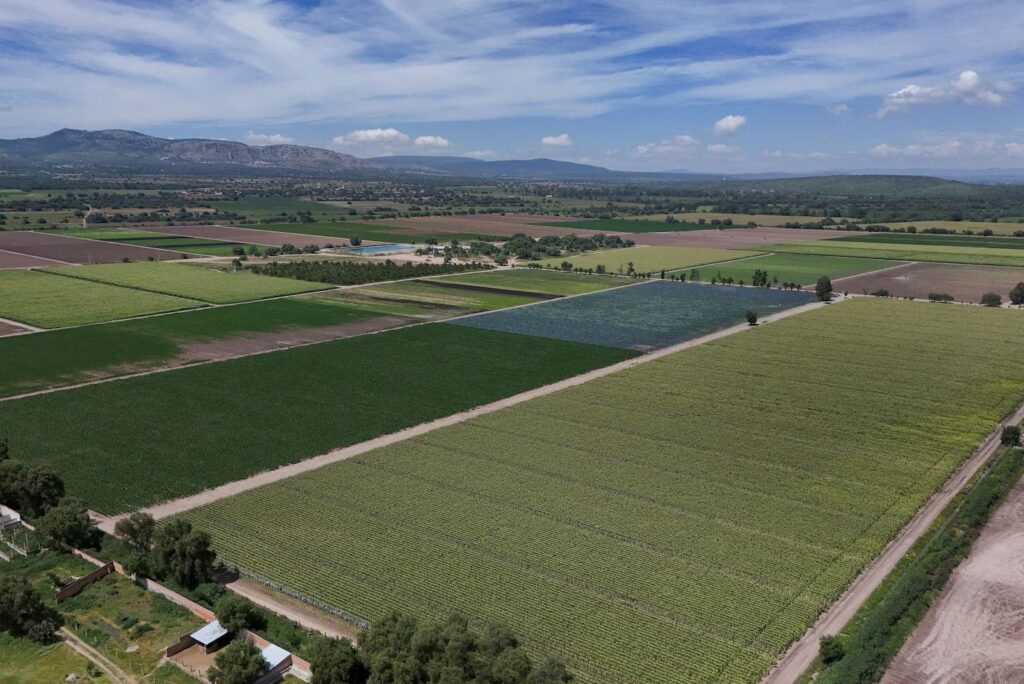
WASHINGTON — U.S. Food and Drug Administration (FDA) inspectors have officially arrived in Mexico to launch an on-site assessment of Taylor Farms de Mexico, nearly one month after federal health officials first linked the facility’s iceberg lettuce to a massive multistate Cyclospora outbreak.
The delayed international inspection has raised sharp criticism from public health advocates and congressional leaders, who question the speed of federal oversight mechanisms during major foodborne illness emergencies.
One-Month Inspection Gap Draws Scrutiny from Food Safety Advocates
The investigation centers on a Guanajuato processing plant that supplied shredded and whole head iceberg lettuce to major U.S. fast-food chains, grocery stores, and food service distributors across 17 states.
While initial recall notices were issued in mid-July after outbreak clusters emerged at regional restaurant chains, FDA inspectors faced administrative and diplomatic delays in securing access to conduct on-site water quality, soil, and worker hygiene testing in Mexico.
-
Delayed On-Site Investigation: FDA teams arrived in Guanajuato four weeks after traceback data pointed directly to the central Mexico facility.
-
Escalating Case Numbers: The infection count has climbed past 9,400 laboratory-confirmed cases, resulting in nearly 400 hospitalizations and two reported deaths.
-
International Inspection Protocols: Federal officials noted that cross-border food inspections require formal bilateral coordination with Mexican agricultural regulators (SENASICA), which contributed to the inspection lag.
Taylor Farms Mexico Inspection Key Details:
• Lead Regulators: U.S. FDA, CDC, SENASICA (Mexico)
• Primary Site under Inspection: Taylor Farms de Mexico (Guanajuato, Mexico)
• Key Focus Areas: Irrigation water testing, post-harvest wash sanitation, field runoff
• Delay Timeline: ~30 days between initial traceback link and physical inspection entry
• Public Health Impact: 9,400+ illness cases, 398 hospitalizations, 2 deaths
Structural Challenges in Regulating Imported Leafy Greens
The Cyclospora outbreak underscores ongoing vulnerabilities in the global fresh produce supply chain, where imported leafy greens move rapidly from foreign fields to U.S. consumer plates.
Unlike bacterial contaminants that can be managed with chemical wash treatments, Cyclospora cayetanensis oocysts are resilient microscopic parasites that resist standard chlorine sanitizers.
Key Factors Under Investigation by FDA Teams
-
Agricultural Water Safety: Inspectors are testing local canal and well water sources used for both crop irrigation and initial field-level washing.
-
Post-Harvest Handling Practices: The team is auditing processing equipment, ice manufacturing facilities, and employee sanitation stations across the Guanajuato plant.
-
Supply Chain Traceability: Federal auditors are reviewing field-to-distributor manifests to verify if secondary contract farms contributed infected produce to the Taylor Farms supply chain.
Federal Policy Impact and Future Oversight
Congressional committees have signaled plans to hold hearings evaluating the FDA’s foreign inspection response timelines and foreign facility audit capacity.
For real-time updates on food safety investigations and public health warnings, consult the official FDA Outbreak Investigation Portal.










Comment