


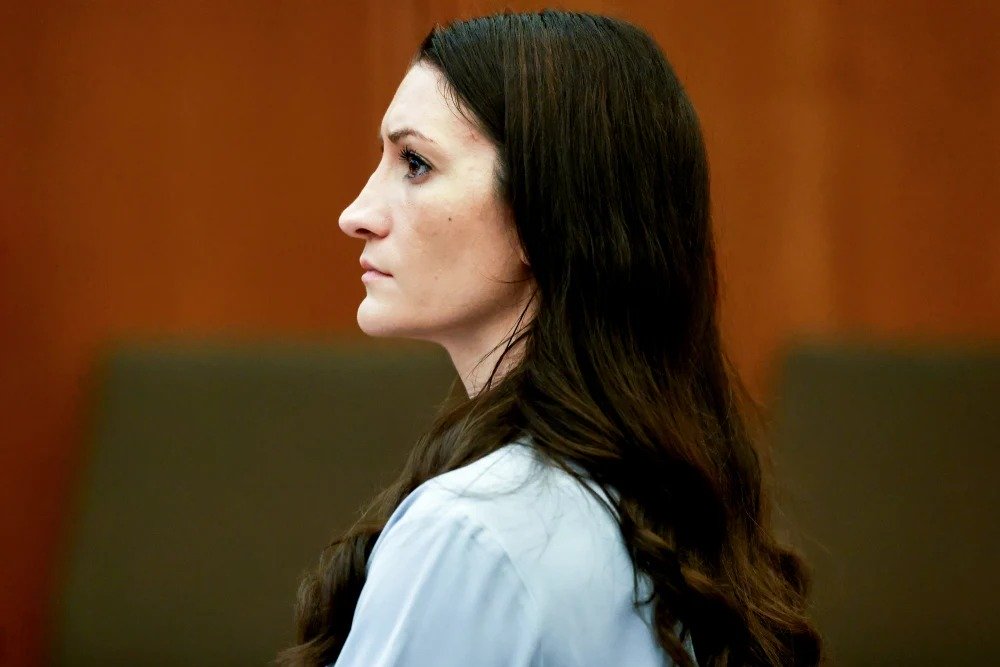
DUXBURY, Mass. — The ongoing legal proceedings surrounding Lindsay Clancy—the Massachusetts mother accused of killing her three young children before attempting self-harm—continue to draw intense national focus to perinatal mental health, post-partum psychosis defenses, and criminal justice standards.
Defense attorneys and medical experts have detailed a complex timeline of medical appointments, psychiatric evaluations, and prescription adjustments leading up to the tragedy, raising critical questions regarding maternal healthcare protocols.
The Lindsay Clancy Case Timeline and Medical History
Court documents and defense filings outline a documented history of severe anxiety, depression, and perinatal mental health challenges for which Clancy actively sought professional medical care.
The timeline submitted by legal representatives details multiple contacts with healthcare providers and specialized facilities in the months preceding the incident.
-
Active Search for Care: Records indicate Clancy consulted multiple medical professionals, reporting escalating anxiety, insomnia, and intrusive thoughts following the birth of her third child.
-
Prescription Medications: Defense attorneys highlighted that Clancy was prescribed numerous psychiatric medications over a short period, raising questions regarding potential medication side effects and adverse interactions.
-
Specialized Facility Evaluations: The timeline details admissions and outpatient visits to specialized health centers as family members and doctors attempted to stabilize her condition.
Lindsay Clancy Case Overview:
• Jurisdiction: Plymouth County Superior Court, Massachusetts
• Key Legal Focus: Perinatal mental health, medication-induced psychosis, criminal responsibility
• Defense Argument: Involuntary intoxication, severe postpartum psychosis
• Broader Impact: Heightened focus on maternal healthcare and postpartum crisis protocols
Legal Strategies and Perinatal Mental Health Expertise
The trial highlights evolving legal approaches to severe maternal mental health crises, specifically distinguishing between standard clinical depression and acute psychiatric emergencies.
Key Factors in the Legal Proceedings
-
Psychiatric Evaluations: Independent medical experts appointed by both the defense and prosecution have conducted extensive evaluations to assess mental state and criminal responsibility.
-
Medication Interactions: Legal arguments center on the physiological and psychological impacts of multiple concurrent psychiatric prescriptions.
-
Court Proceedings: Pre-trial hearings continue to address admissible medical evidence, expert testimony protocols, and defense motions regarding mental competence.
Resources for Maternal Mental Health and Crisis Support
The case has amplified calls from healthcare advocates to improve awareness and emergency response frameworks for mothers experiencing severe perinatal mood disorders.
If you or someone you know is experiencing a maternal mental health crisis or postpartum distress, immediate support is available:
-
National Maternal Mental Health Hotline: Call or text 1-833-TLC-MAMA (1-833-852-6262) for free, 24/7 confidential support.
-
Crisis Text Line: Text HOME to 741741 to connect with a crisis counselor.
-
Suicide & Crisis Lifeline: Call or text 988 for emergency support.












Comment