


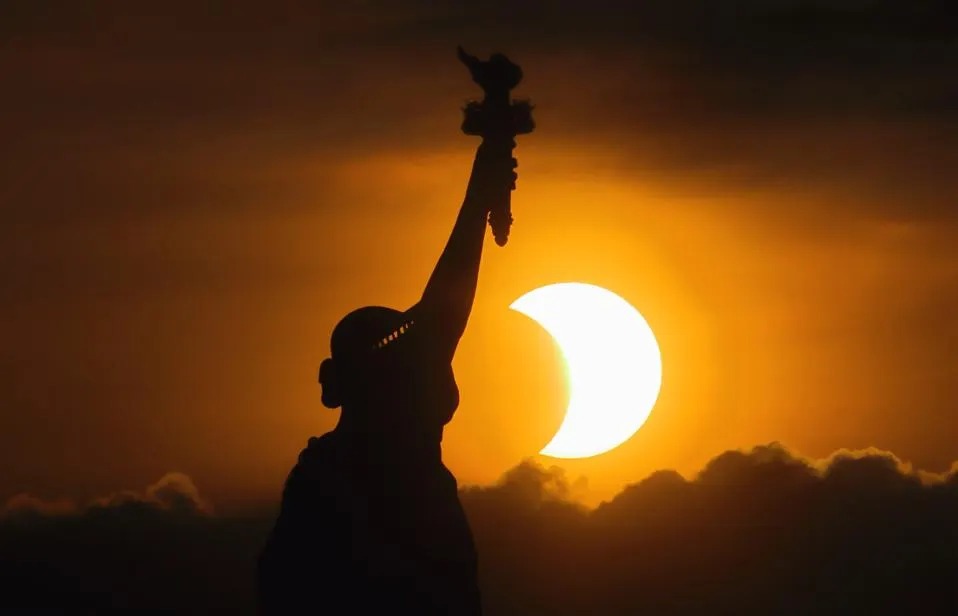
WASHINGTON, D.C. — Skywatchers across the United States are preparing for a rare astronomical alignment this August, as a partial solar eclipse coincides directly with the peak of the annual Perseid meteor shower.
Astronomers and science educators are calling it one of the most exciting night-sky double features of the decade, prompting travelers to plan road trips to optimal viewing locations in every state.
The Celestial Double Feature: What to Expect
The cosmic convergence brings together two distinct celestial events occurring simultaneously, offering a unique viewing window for amateur astronomers and casual stargazers alike.
Key Details of the Phenomenon
-
The Partial Solar Eclipse: Depending on geographic location, viewers will witness the Moon partially obscure the sun during daylight hours, creating dramatic lighting and unique shadow effects.
-
The Perseid Peak: Simultaneously, Earth is passing through debris left behind by Swift-Tuttle comet, unleashing dozens of bright shooting stars per hour against the night sky.
-
The Ideal Viewing Window: The peak overlap occurs during the second week of August, with the best visibility expected during the dark, moonless hours just before dawn.
Best Viewing Locations Across Every U.S. State
Because light pollution and regional weather patterns play a major role in visibility, finding a dark-sky location is essential for catching the meteor shower alongside the eclipse.
Where to Watch by Region
-
Western States (Dark Skies and High Elevations): National parks and remote desert locations in states like Arizona, Utah, Nevada, and Oregon offer some of the clearest, most unobstructed horizons for both daytime solar projection and nighttime meteor tracking.
-
Midwestern and Southern Farmlands: Rural state parks away from major metropolitan light corridors provide ideal darkness for capturing the shooting stars.
-
East Coast Hotspots: Designated dark-sky reserves, coastal lookouts, and rural mountain ranges in states like New York, Pennsylvania, and North Carolina provide the best shelter from urban light pollution.
Essential Tips for Safe Stargazing and Solar Viewing
While watching a meteor shower requires nothing more than a clear sky and patience, observing a solar eclipse demands strict safety precautions.
Safety and Gear Checklist
-
Certified Solar Viewing Glasses: Never look directly at the sun during an eclipse without ISO-certified solar filter glasses to prevent permanent eye damage.
-
Allow Time for Night Adaptation: Give your eyes at least 20 to 30 minutes to adjust to the dark before attempting to spot fast-moving Perseid meteors.
-
Escape City Lights: Check local weather forecasts ahead of time and drive away from city centers to maximize visibility during peak meteor hours.










Comment