


CHICAGO — Space enthusiasts and casual stargazers across the U.S. are preparing for the upcoming solar eclipse, with the Midwest positioned to catch a portion of this dramatic astronomical event.
Understanding peak timing, visibility coordinates, and cloud cover forecasts is essential for Chicagoans and Midwestern residents looking to experience the eclipse safely.
Solar Eclipse Peak Timing and Midwest Visibility Coverage
The path of the eclipse offers varying degrees of visibility across North America, with the Midwest seeing distinct partial eclipse phases depending on geographic location.
While the path of totality passes through select global regions, Midwestern cities will observe partial solar coverage during peak afternoon hours.
-
Chicago and Cook County: Observers across the Chicago area can expect partial solar coverage during the afternoon window, turning sunlight into a unique crescent shape.
-
Illinois and Regional Midwest Cities: Surrounding cities across Illinois, Indiana, and Wisconsin will experience similar partial eclipse phases, with coverage percentages increasing depending on latitude.
-
Peak Obscuration Window: The maximum phase—when the Moon covers the largest portion of the Sun—will occur during a brief multi-minute window, making timing critical for viewers.
Midwest Solar Eclipse Quick Reference:
• Regional Coverage: Partial Solar Eclipse across Illinois & Midwest states
• Key Metropolitan Area: Greater Chicago Area (Cook, DuPage, Lake Counties)
• Primary Event: Partial solar obscuration peak
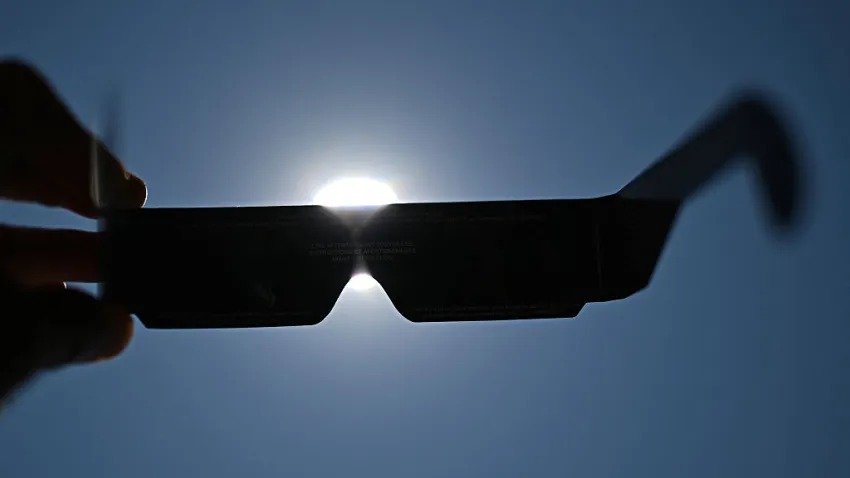
• Recommended Viewing Gear: ISO 12312-2 certified solar eclipse glasses
How to Safe View the Solar Eclipse in Chicago and Beyond
Proper eye safety precautions are vital when viewing any solar event outside the direct path of total coverage.
Essential Viewing and Safety Guidelines
-
Use Certified Eye Protection: Looking directly at the Sun without ISO 12312-2 compliant eclipse glasses can cause permanent eye damage. Standard sunglasses are not safe for direct solar viewing.
-
Indirect Projection Methods: Pinhole projectors or using everyday household items like colanders allow viewers to safely project crescent-shaped solar shadows onto the ground.
-
Camera and Lens Filters: Always equip cameras, binoculars, and telescopes with specialized solar filters before pointing them toward the Sun.
Local Weather Forecasts and Cloud Cover Impact
Local meteorological conditions across Northeastern Illinois will play a decisive role in visibility. Clear skies offer optimal viewing, while passing cloud cover could obstruct views during the peak obscuration window.
Local astronomy clubs, planetariums, and municipal parks across the Chicago area are hosting public viewing gatherings, offering safe equipment and expert guidance for community members tracking the skies.









Comment