


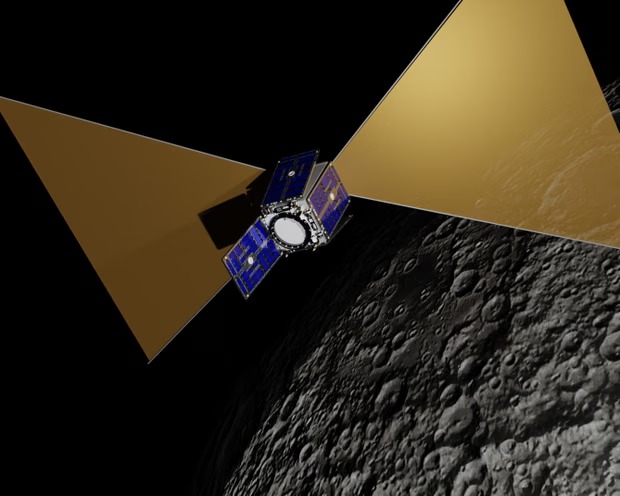
CAMBRIDGE, U.K. — Researchers and radio astronomers are turning to the far side of the Moon to solve one of astrophysics’ biggest mysteries: capturing primordial radio signals from the young Universe.
Led by Dr. Eloy de Lera Acedo and colleagues, the team is developing CosmoCube, a specialized nanosatellite mission designed to orbit the Moon. Its primary goal is to detect the elusive 21cm neutral hydrogen line—a faint cosmic radio signal emitted during the universe’s infancy, hundreds of millions of years before the first stars and galaxies fully formed.
Why Ground-Based Telescopes Struggle to Detect the 21cm Hydrogen Line
Attempts to measure the 21cm hydrogen signal from Earth have faced massive technical barriers due to atmospheric distortion and human interference.
While ground-based projects like Australia’s EDGES radio telescope have claimed preliminary detections, the findings remain heavily debated within the scientific community because of local signal noise.
-
Earth’s Ionospheric Shielding: Earth’s charged upper atmosphere severely distorts and absorbs low-frequency radio waves, blurring cosmic signals originating from the early universe.
-
Human Radio Frequency Interference (RFI): Modern technology—including FM radio broadcasts, plane navigation systems, satellite relays, and cellular networks—floods Earth’s atmosphere with noise that easily drowns out subtle cosmic signals.
-
The Ultimate Shielding Zone: The far side of the Moon provides a natural radio-silent barrier, blocking all direct electronic emissions and atmospheric interference generated by Earth.
CosmoCube Satellite Mission Overview:
• Mission Type: Lunar Orbiting Nanosatellite (Radio Cosmology)
• Primary Target: Neutral Hydrogen 21cm Line (Cosmic Dawn / Dark Ages)
• Key Lead Researcher: Dr. Eloy de Lera Acedo (University of Cambridge)
• Mission Budget & Timeline: ~£50 million estimated total cost; targeted launch in ~5 years
• Supporting Partners: UK Space Agency (£2M+ initial funding granted)
Unlocking the Cosmic Dark Ages and the Birth of First Stars
The 21cm signal holds the key to mapping out the “Cosmic Dawn” and the “Dark Ages”—eras in cosmic history that remain largely invisible to optical space observatories like the James Webb Space Telescope.
Key Scientific Objectives for CosmoCube
-
Mapping the First Stars and Black Holes: By tracking how neutral hydrogen gas absorbed and emitted radiation, scientists can determine the precise era when the universe’s first stars ignited.
-
Testing Dark Matter Models: Unexpected fluctuations in the 21cm signal could reveal interactions between normal matter and dark matter during the early stages of cosmic expansion.
-
Establishing Lunar Radio Astronomy: CosmoCube will serve as a pathfinder mission, demonstrating the feasibility of long-term radio observatories operating from lunar orbit and the lunar surface.
Funding Progress and Mission Launch Outlook
Supported by over £2 million in seed funding from the UK Space Agency, the CosmoCube mission is projected to cost just under £50 million.
With development underway, the team expects to launch the satellite in approximately five years, initiating a planned two-year science operation in lunar orbit.










Comment