


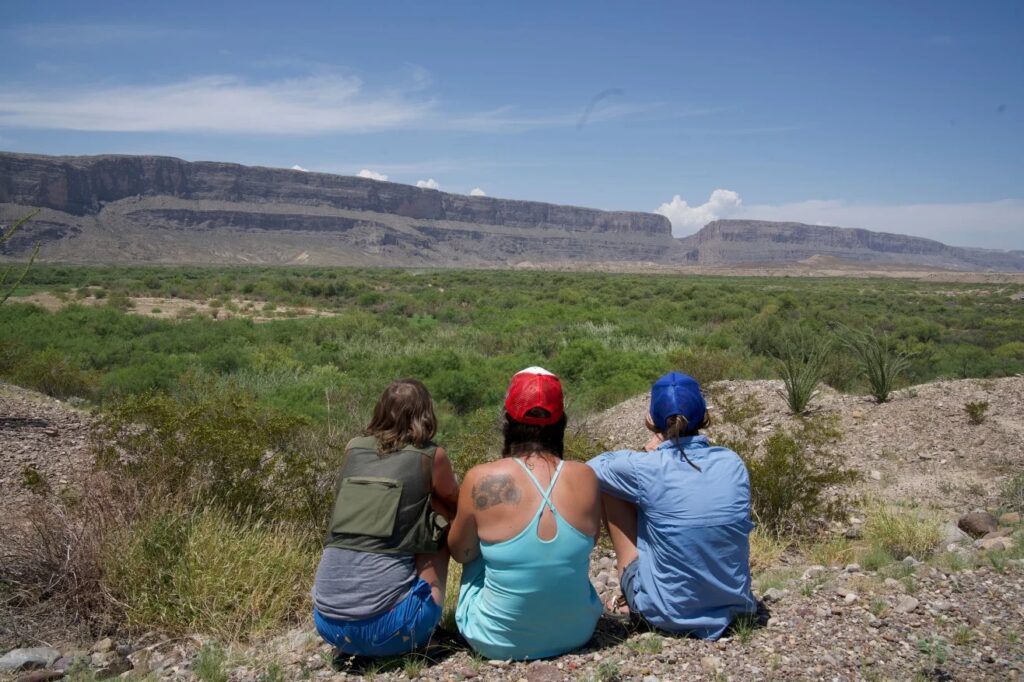
AUSTIN, Texas — Rising tensions within the Texas Republican Party over federal border infrastructure projects have surfaced publicly, as state lawmakers express growing concern regarding border wall construction and heavy machinery deployment inside Big Bend National Park.
State Rep. Wes Virdell (R-Brady) joined a bipartisan coalition of Texas legislators in warning of potential political and economic repercussions if federal border construction alters the iconic West Texas landscape.
Bipartisan Opposition Mounts Over Big Bend Border Wall Infrastructure
The dispute stems from the arrival of federally contracted construction crews and heavy machinery in Big Bend National Park. The remote desert park, known for its rugged terrain, dark skies, and unique biodiversity, accounts for less than 2% of regional border apprehensions due to its extreme natural barriers.
Lawmakers from both sides of the aisle sent a formal letter to Texas leadership urging an immediate pause to construction in favor of non-intrusive security measures.
-
Key Conservative Concerns: Conservative lawmakers warn that invasive construction could alienate local voters, harm regional tourism, and disrupt property rights in rural West Texas communities.
-
Calls for High-Tech Solutions: Opponents advocate for smart border surveillance—such as thermal cameras, motion sensors, and aerial drones—rather than physical steel barriers and access roads carved through national park land.
-
Broad Coalition: Rep. Virdell signed the joint letter alongside two fellow Republican state lawmakers and 40 Democratic legislators, signaling rare cross-party unity on state border strategy.
Big Bend Border Project Controversy Snapshot:
• Location: Big Bend National Park (Brewster County, West Texas)
• Primary Issue: Federal border wall construction & heavy equipment deployment
• Key Opponents: Bipartisan Texas legislators, local county officials, conservationists
• Proposed Alternative: High-tech surveillance (drones, radar, ground sensors)
Electoral Impact: Down-Ballot Risks for Texas Republicans
The pushback reflects a broader dilemma facing Texas Republicans running in rural and swing districts ahead of upcoming midterm elections.
While border enforcement remains a top priority for conservative voters statewide, physical wall construction in protected public lands has drawn resistance from local ranching communities, business leaders, and conservation groups reliant on eco-tourism.
Factors Shaping the Big Bend Border Debate
-
Tourism and Local Economies: Big Bend generates millions of dollars annually for surrounding West Texas towns, leading local leaders to worry that visible industrial construction will deter visitors.
-
Federal vs. State Authority: Tensions persist between federal agencies moving forward with barrier contracts and state or regional officials demanding direct consultation before altering public lands.
-
Smart Border Security Alternatives: Critics maintain that high-altitude surveillance and tactical ground units offer a far more cost-effective security solution in mountainous terrain than heavy physical walls.






Comment