


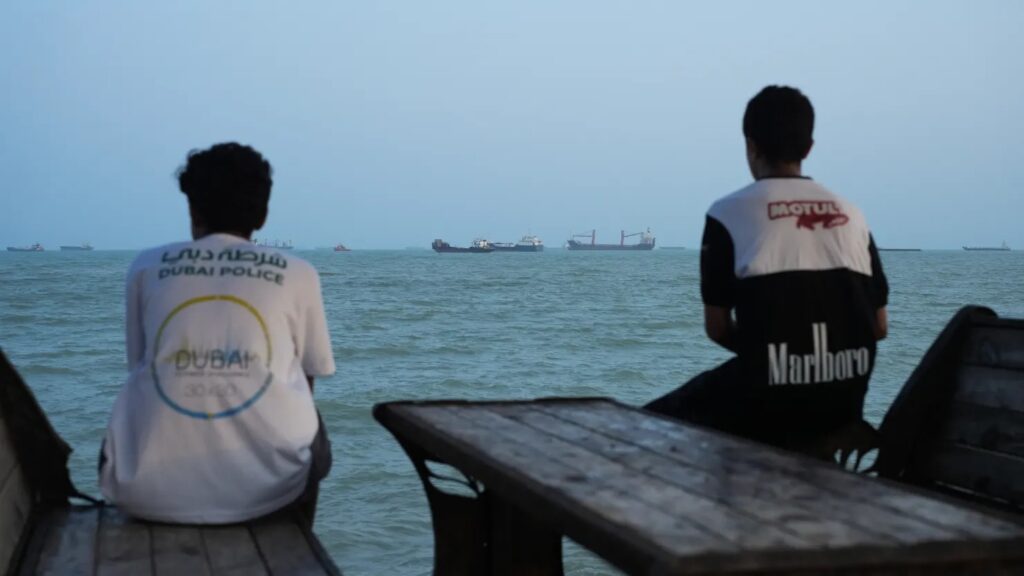
WASHINGTON — U.S. President Donald Trump sparked intense diplomatic pushback after suggesting the United States could declare the Strait of Hormuz a U.S. territory following the resolution of the ongoing military conflict with Iran.
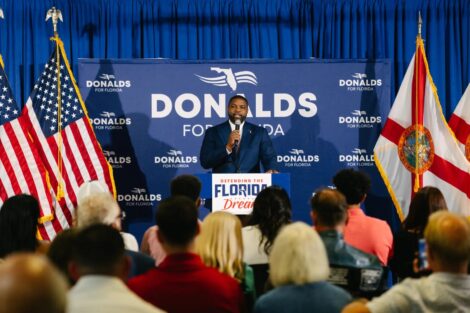
Speaking at a campaign appearance in Long Island, New York, Trump claimed U.S. naval forces maintain overwhelming operational dominance in the region and asserted that Washington could formally annex the strategic energy transit chokepoint once hostilities end.
Escalating Rhetoric Over Strategic Persian Gulf Energy Chokepoint
The Strait of Hormuz, located between the Persian Gulf and the Gulf of Oman, serves as one of the world’s most critical maritime transit routes, typically carrying roughly 20% of global petroleum supplies and liquefied natural gas (LNG).
The dispute over maritime control follows months of military engagement, naval blockades, and rising global energy market volatility.
-
Trump’s Territorial Statements: President Trump stated that following a final military victory against Iran, Washington would consider designating the waterway as a U.S. territory.
-
Iran’s Formal Rebuttal: Iranian Deputy Foreign Minister Kazem Gharibabadi rejected the proposal, stating the waterway “cannot be seized by a tweet, nor by an aircraft carrier” and affirmed Tehran’s intent to enforce its naval blockade.
-
Commercial Shipping Risks: The rhetorical escalation coincides with recent drone attacks on commercial tankers in the area, leading international maritime insurers to restrict coverage for transit through the Persian Gulf.
Strait of Hormuz Maritime Conflict Snapshot:
• Key Figure Statement: U.S. floating potential territorial claim over Hormuz after hostilities end
• Strategic Importance: Transits ~20% of global oil and LNG maritime shipments
• Primary Stakeholders: U.S. Navy, Iranian Armed Forces, Gulf Cooperation Council (GCC) States
• Global Market Impact: Fluctuating Brent Crude prices & rising U.S. retail gasoline costs
Global Energy Impact and Regional Security Implications
The ongoing standoff in the Strait of Hormuz has created sustained uncertainty across international commodity markets, driving crude prices higher and creating economic headwinds worldwide.
Key Drivers in the Regional Escalation
-
Impasse in Ceasefire Negotiations: Diplomatic efforts to negotiate a long-term peace agreement remain stalled as both nations dispute maritime sovereignty and nuclear policy benchmarks.
-
Impact on Domestic Energy Markets: Rising international oil prices have led to elevated gasoline costs within the U.S., becoming a central talking point ahead of domestic midterm elections.
-
Multinational Naval Deployments: Coalition forces and U.S. Central Command (CENTCOM) continue escort operations and air patrols to protect commercial shipping routes against ongoing drone and missile threats.
Security Outlook for Persian Gulf Maritime Trade
As diplomatic exchanges remain tense, military analysts and international observers are closely monitoring U.S. naval operations and Iranian counter-measures around the Strait of Hormuz.
Whether diplomatic channels reopen or military enforcement continues will dictate the long-term stability of global energy transport across the Middle East.










Comment