


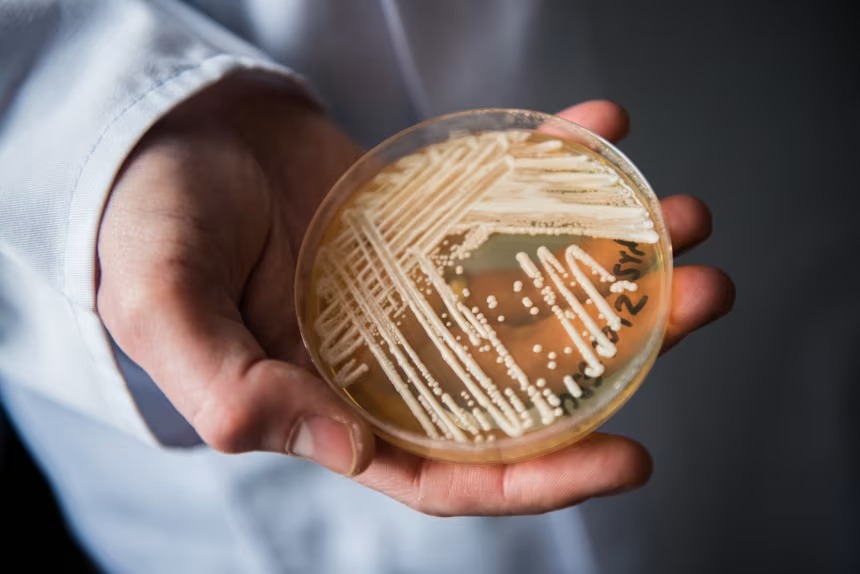
ATLANTA, GA, USA — Health protection agencies have reinforced widespread surveillance initiatives as Candida auris, an emerging multidrug-resistant fungus, continues to spread across multiple U.S. states.
Public health officials have classified Candida auris ($C. auris$) as a serious global health threat due to its unique biological resilience and capability to cause severe outbreaks in healthcare environments. Unlike common community-acquired pathogens, this microscopic yeast can survive on hard hospital surfaces for weeks and frequently displays resistance to multiple major classes of standard antifungal medications.
While reports tracking infections across dozens of states have triggered public concern, epidemiologists emphasize that the primary danger remains concentrated among high-risk patients inside institutional medical settings rather than healthy individuals in everyday environments.
Transmission Pathways and High-Risk Demographics
The transmission dynamics of Candida auris rely heavily on close contact within medical infrastructure, making hospitals and long-term care facilities primary vectors for dissemination.
-
Healthcare Exposure: The organism spreads primarily through contact with contaminated environmental surfaces, medical equipment, or directly from person-to-person carriage on skin.
-
Vulnerable Populations: Individuals with severe underlying medical conditions, prolonged intensive care unit stays, invasive devices like catheters, or previous broad-spectrum antimicrobial usage face the highest susceptibility.
-
Colonization vs. Infection: Many patients carry the fungus on their skin without manifesting active symptoms, complicating detection without targeted screening protocols.
Prevention, Treatment, and Future Control Strategies
Managing the ongoing spread requires rigorous infection control practices and proactive laboratory identification to stop transmission chains before outbreaks escalate.
Key Medical and Hygiene Protocols
-
Enhanced Disinfection: Facilities must utilize specialized EPA-registered disinfectants proven to eradicate resilient fungal walls that resist standard routine cleaning solutions.
-
Strict Hand Hygiene: Rigorous compliance with alcohol-based hand rubs and soap-and-water protocols by healthcare personnel and visitors is critical.
-
Interfacility Communication: Transparent notification systems regarding a patient’s $C. auris$ status during hospital transfers ensure seamless continuity of isolation and containment procedures.
Deadly Fungus Spreads Across 23 U.S. States: CDC Issues Warning On Candida Auris Outbreak| U.S. News










Comment