


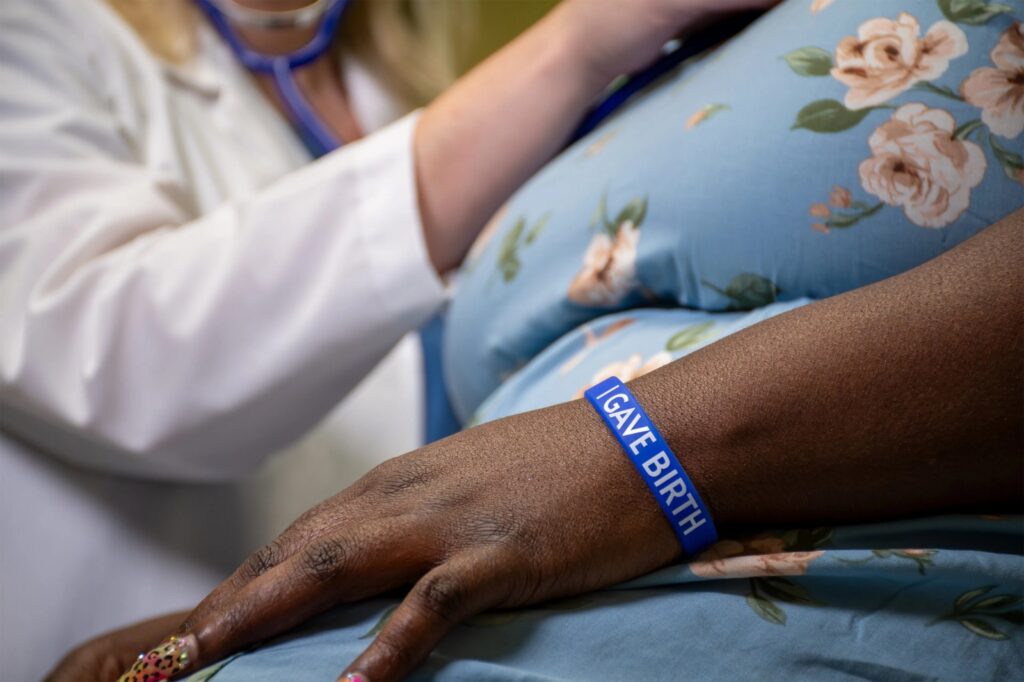
GREENVILLE, N.C. — Hospitals across North Carolina and nationwide are turning to a simple tool to tackle America’s maternal mortality crisis: silicone wristbands stamped with the words “I Gave Birth.”
First launched by North Carolina-based ECU Health in 2021, the initiative has spread to nearly 50 hospitals in North Carolina, state health departments, and medical networks in more than two dozen states. The wristbands serve as a vital visual marker for new mothers, emergency room doctors, and first responders during the critical post-delivery period.
Why the Postpartum Window Is Critical for Maternal Health
Nearly 70% of pregnancy-related deaths in the United States occur after the day of delivery, with almost 40% occurring past the six-week mark.
Because emergency department staff and emergency medical service (EMS) personnel sometimes lack specialized training in identifying post-birth complications, many life-threatening conditions go unrecognized during ER visits.
-
Visual Alert for Providers: The bright wristbands immediately signal to healthcare workers that a patient has recently delivered and needs evaluation for conditions like postpartum preeclampsia, severe hemorrhage, low blood pressure, or infection.
-
Patient Self-Monitoring: Designed to be worn for weeks or months, the bands remind mothers to seek immediate medical attention if they experience warning signs such as severe headaches, chest pain, high fever, or heavy bleeding.
-
Hospital Readmission Reductions: In its funding applications, North Carolina reported that ECU Health Medical Center in Greenville saw postpartum hospital readmissions drop by nearly a third after launching the program.
'I Gave Birth' Wristband Initiative Overview:
• Originating Health System: ECU Health (Greenville, North Carolina)
• Adoption Rate: ~50 North Carolina hospitals + facilities in over 24 states
• Key Complications Targeted: Severe bleeding, hypertension/preeclampsia, infections, depression
• Primary Goal: Educate mothers and alert ER/EMS personnel of recent delivery
Funding Expansion and Policy Challenges
North Carolina plans to expand the wristband program using funding from the Rural Health Transformation Program, part of the federal Rural Health Initiative. However, maternal health advocates emphasize that while low-cost educational tools are beneficial, they cannot replace systemic healthcare access.
Key Perspectives on Maternal Health Interventions
-
Praise from Health Experts: Leaders at the American College of Obstetricians and Gynecologists (ACOG) Foundation have commended the initiative for raising community awareness and empowering patients to speak up.
-
Concerns Over Healthcare Cuts: Advocates point out that wristband campaigns are expanding at a time when projected federal cuts to Medicaid spending could constrain comprehensive postpartum coverage and rural healthcare infrastructure.
-
Need for Broader Support Systems: Doulas and maternal care specialists note that while wristbands serve as a useful educational tool, new mothers require ongoing clinical care, emotional support, and postpartum mental health resources to truly lower mortality rates.
Looking Ahead for Postpartum Care Initiatives
As hospitals across Arkansas, Connecticut, Georgia, Mississippi, and beyond adopt the “I Gave Birth” wristband framework, public health researchers continue to monitor the long-term impact on maternal health outcomes.
Health departments hope that combining visual wristband alerts with comprehensive patient education will bridge the gap between hospital discharge and long-term postpartum recovery.











Comment