


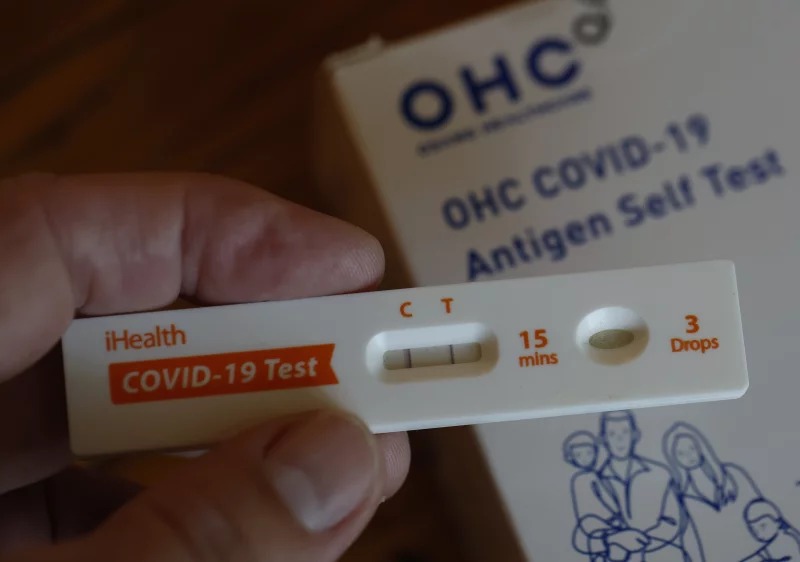
HONOLULU — Public health data reveals a shifting pattern in viral transmission as COVID-19 settles into a predictable summer staple in California, contrasting with traditional winter-heavy respiratory waves.
Health officials and epidemiologists tracking surveillance data note that while winter surges are moderating, mid-summer spikes driven by new subvariants and increased indoor activity during heatwaves are becoming the dominant seasonal trend across the Golden State.
Shifting Seasonal Patterns: Why California Summer Surges Persist
Unlike influenza and respiratory syncytial virus (RSV), which peak overwhelmingly during cold winter months, SARS-CoV-2 continues to demonstrate robust summer transmission cycles.
Epidemiologists attribute the consistent summer resurgence to a combination of waning population immunity, rapid viral evolution, and behavioral adaptations to extreme summer temperatures.
-
Indoor Heatwave Offsets: Record high summer temperatures push millions of residents indoors into central air-conditioned spaces, creating prime conditions for airborne viral transmission.
-
Rapid Subvariant Evolution: New immune-evasive subvariants frequently emerge during late spring and early summer, escaping previous antibody protections from past infections or vaccines.
-
Travel and Summer Gatherings: Increased domestic travel, summer vacations, and large public events accelerate regional transmission across major population hubs.
California COVID-19 Seasonal Trend Comparison:
• Traditional Winter Surge: Moderating intensity; aligned with flu and RSV season
• Summer Wave Pattern: Consistent annual surge driven by indoor AC gathering & new subvariants
• Primary Drivers: Waning immunity, high summer heat, rapid subvariant turnover
• Health Advisory: Test early, stay updated on seasonal boosters, and isolate when symptomatic
Public Health Response and Guidance for Summer Transmission
California Department of Public Health (CDPH) guidelines continue to focus on protecting vulnerable populations—including seniors and immunocompromised individuals—during high-transmission summer periods.
Key Prevention and Safety Recommendations
-
Targeted Booster Updates: Health agencies advise high-risk individuals to stay current with updated autumn vaccine formulations designed to target circulating subvariants.
-
Accessible Testing Protocols: Utilizing home antigen tests at the first sign of symptoms helps prevent accidental exposure to family members and co-workers.
-
Indoor Ventilation Measures: Improving air filtration and ventilation in homes, offices, and gathering spaces significantly reduces indoor aerosol concentration.
Broader Public Health Outlook
As COVID-19 transitions toward a dual-peak seasonal virus with a pronounced summer wave, state health departments are adjusting public communication and hospital resource planning to accommodate mid-year surges.
For additional health updates, epidemiology tracking, and national health coverage, visit the Honolulu Star-Advertiser.












Comment