


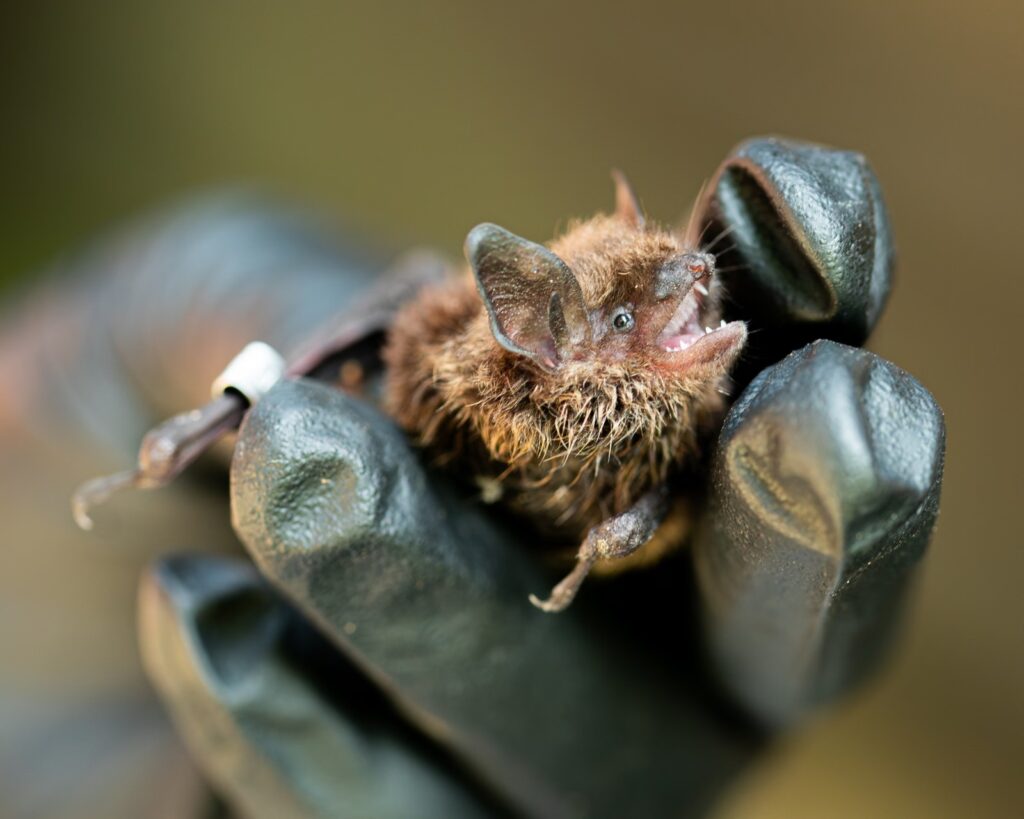
FORT SMITH, Northwest Territories — Biologists tracking North America’s bat populations have confirmed a critical, alarming discovery: white-nose syndrome has officially reached the northern limits of Canada’s boreal forest, just 450 miles south of the Arctic Circle.
Field researchers discovering infected bats in caves near Fort Smith, Northwest Territories, mark the northernmost detection of the lethal fungal disease on record. The breakthrough into subarctic ecosystems has launched an urgent, cross-border push between Canadian and Alaskan scientists to deploy experimental probiotics, vaccines, and habitat protections before vulnerable bat populations face collapse.
How the ‘Pd’ Fungus Devastates Northern Hibernating Bats
White-nose syndrome is caused by Pseudogymnoascus destructans (Pd), an invasive cold-loving fungus that attacks hibernating bats across their facial tissue, ears, and wings.
Since its initial discovery in New York state in 2006, the epidemic has killed more than 6.7 million bats across North America.
-
Mechanism of Mortality: The fungus irritates bats during winter hibernation, forcing them to awaken prematurely. As bats groom themselves to remove the fungal growth, they rapidly burn through stored body fat and die from dehydration or winter starvation.
-
High Vulnerability in the Far North: Subarctic bats endure longer, harsher winters with extended hibernation periods, making them exceptionally fragile to fat reserve depletion.
-
Endangered Species at Risk: Species like the little brown myotis (Myotis lucifugus) and the northern myotis (Myotis septentrionalis)—which can suffer die-off rates exceeding 90% in infected hibernacula—are facing catastrophic regional population loss.
White-Nose Syndrome (WNS) Outbreak Tracker:
• Pathogen: Pseudogymnoascus destructans (Pd) fungus
• Newest Northern Detection: Fort Smith, Northwest Territories (~450 miles south of Arctic Circle)
• Impact Zone: 40+ US States, 8 Canadian Provinces
• Continent-Wide Mortality: Over 6.7 million bats lost since 2006
• Key Species Impacted: Little Brown Myotis, Northern Myotis, Tri-Colored Bat
Probiotics, Vaccines, and Science-Driven Interventions in Alaska and Canada
With the disease closing in on Alaska’s border and deep subarctic ecosystems, wildlife biologists and researchers are testing innovative bio-mitigation tools to boost bat immunity.
Cutting-Edge Conservation Strategies
-
Microbiome Probiotic Sprays: Scientists with Wildlife Conservation Society Canada and regional agencies are spraying beneficial bacteria into roosts and caves. These native probiotics integrate into the bats’ wing microbiome, slowing fungal growth during winter rest.
-
Experimental Wildlife Vaccines: Epidemiologists are field-testing an oral vaccine administered via modified viral vectors that trigger protective fungal antibodies before winter hibernation begins.
-
Decontamination and Cave Access Restrictions: Environmental agencies across Canada and the U.S. are enforcing strict cave decontamination protocols and temporary hibernacula closures to prevent human activity from inadvertently spreading fungal spores to uninfected sites.
Ecological and Agricultural Stakes for Northern Wilderness
Bats serve as primary night-time pest managers in boreal and forest ecosystems, consuming millions of forest pests and mosquitoes nightly.
Conservationists warn that losing northern bat species could trigger severe cascading effects throughout northern food webs, increasing insect pest pressure across boreal forestry sectors and fragile tundra borderlands. International response teams continue expanding real-time disease surveillance across Alaska, Yukon, and the Northwest Territories to safeguard northern biodiversity.












Comment