


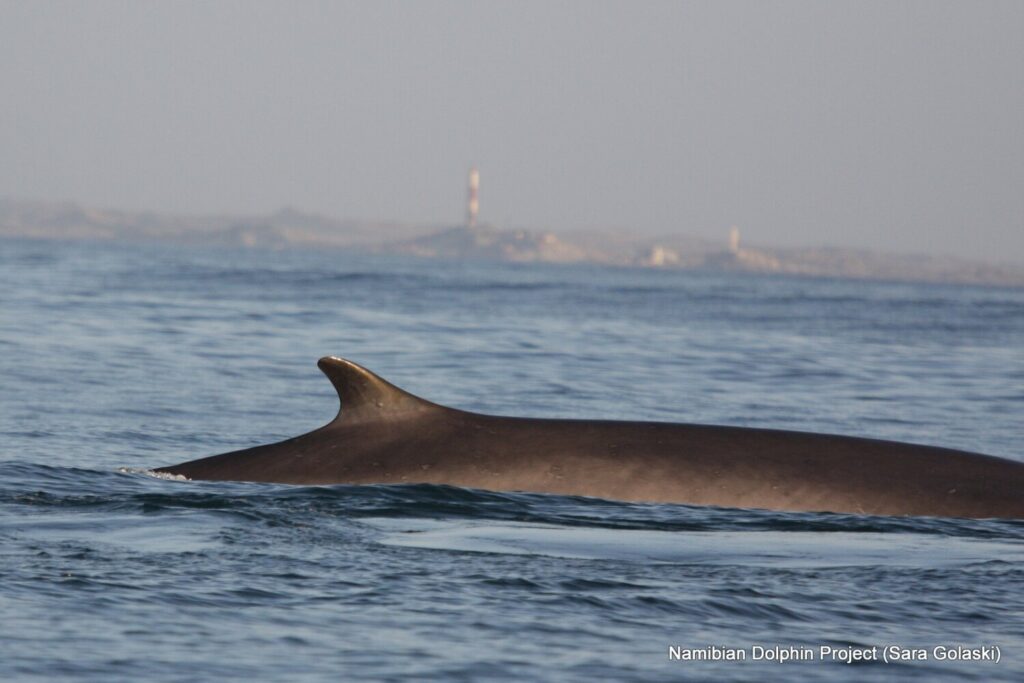
CAPE TOWN, South Africa — Decades of intensive 20th-century commercial whaling severely decimated global populations of the planet’s largest marine mammals, nearly wiping out blue whales (Balaenoptera musculus) and fin whales (Balaenoptera physalus) across the world’s oceans.
However, new marine research examining historical dataset records off Southern Africa’s Atlantic coast highlights promising signs of gradual population recovery, offering vital insights into how persistent conservation protections allow ocean giants to rebuild their numbers.
Devastating Impact of 20th-Century Industrial Whaling
Between 1913 and 1978, intensive commercial whaling operations killed an estimated 350,000 Antarctic blue whales and over 725,000 southern fin whales.
The industrial scale of ocean hunting drove both species to near-extinction levels before international bans and global protection frameworks went into effect under the International Whaling Commission (IWC).
-
Antarctic Blue Whales: Pushed to critically low numbers, with current global populations estimated at roughly 3% of pre-whaling levels.
-
Southern Fin Whales: Heavily targeted across feeding grounds, currently estimated to have rebounded to over 30% of historic abundance.
-
Benguela Ecosystem Impact: Commercial fleets virtually eliminated both species from their traditional feeding and migratory corridors along Western Africa.
Historical Whaling Impact & Recovery Snapshot:
• Target Species: Antarctic Blue Whale & Southern Fin Whale
• Timeframe of Intense Hunting: 1913–1978
• Total Estimated Kills: ~350,000 Blue Whales; ~725,000 Fin Whales
• Current Status: Antarctic Blue (Critically Endangered), Fin Whale (Vulnerable)
• Primary Recovery Indicator: 95% of recent regional sightings documented since 2012
Signs of Gradual Rebound in the Southeast Atlantic
A comprehensive study published in the African Journal of Marine Science analyzed more than six decades of marine observation data (1964 to 2025) off the coasts of Namibia and South Africa.
Researchers led by the Centre for Statistics in Ecology, Environment and Conservation (SEEC) at the University of Cape Town identified a steady increase in sightings, demonstrating that both species are slowly reoccupying historical range habitats.
Key Scientific Insights from the Data
-
Recent Spike in Sightings: Although overall numbers remain rare, 95% of documented blue and fin whale sightings in the Benguela ecosystem occurred after 2012.
-
Migratory Corridors Active: Sightings confirm that the Benguela current system continues to serve as an essential feeding and migratory route between Antarctic waters and equatorial breeding grounds.
-
Slow Pace of Recovery: Due to long lifespan and low reproductive rates, full population recovery to historic baselines will require sustained long-term international protection.
Modern Threats to Ocean Giants
While commercial whaling bans have allowed blue and fin whale populations to begin rebuilding, marine biologists emphasize that these species face growing modern human-caused dangers:
-
Commercial Shipping Collisions: Ship strikes remain a leading cause of mortality along heavy maritime trade routes.
-
Entanglement in Fishing Gear: Entanglement in commercial fishing lines causes severe injury and drowning.
-
Ocean Noise and Climate Change: Warming sea temperatures and underwater noise pollution impact krill availability and disrupt whale communication channels.
Preserving Marine Ecosystems for Future Generations
Marine conservationists stress that continuing global protections, enforcing vessel speed limits in critical habitats, and reducing ocean noise remain vital to ensuring that blue and fin whales continue their slow journey toward full recovery.












Comment