


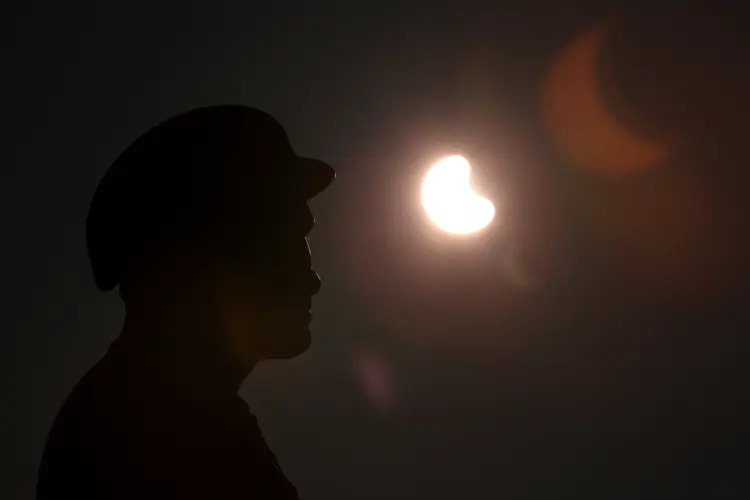
LONDON — Skywatchers across Europe, the United Kingdom, and Ireland are preparing for a spectacular celestial event: the August 2026 total solar eclipse. Marking Europe’s first total solar eclipse in nearly three decades, this rare astronomical spectacle will bring a path of totality across parts of the Arctic, Greenland, Iceland, and Spain, while delivering a dramatic partial eclipse to neighboring regions.
Whether you are planning to travel into the line of totality or observe from your backyard in the UK or Ireland, here is everything you need to know about timing, prime viewing locations, and eye safety.
What to Expect: Path of Totality vs. Partial Eclipse Across Europe
The path of totality—where the Moon completely blocks the face of the Sun, plunging the landscape into mid-day darkness—stretches across a narrow corridor in Western Europe.
Areas outside this direct line will still experience a deep partial solar eclipse, with a vast portion of the solar disk covered during peak hours.
-
Path of Totality: Highlights key destination zones, including Iceland (especially near Reykjavik) and a broad swath of northern and eastern Spain, extending out to the Balearic Islands.
-
UK and Ireland Experience: While the UK and Ireland lie just outside the line of total darkness, observers will witness an extraordinary 90% to 95% partial solar eclipse during late afternoon and early evening hours.
-
Continental Europe: Cities across France, Germany, Italy, and Scandinavia will see significant partial coverage, turning sunlight into a dim, twilight-like glow.
August 2026 Solar Eclipse Fast Facts:
• Event Type: Total Solar Eclipse (Partial across UK/Ireland)
• Prime Destinations for Totality: Iceland, Northern/Eastern Spain, Greenland
• UK/Ireland Coverage: ~90%–95% partial eclipse
• Peak Timing: Late afternoon / early evening (local times vary by country)
• Rarity: Europe's first total solar eclipse since 1999
How and When to Watch: Local Viewing Times and Top Spots
Planning ahead is essential for securing the best view, as weather conditions and solar positioning vary across regions.
Viewing Breakdown by Region
-
Iceland (Full Totality): One of the first landmasses to experience totality. Coastal fjords and the capital region offer prime viewing as the Moon obscures the Sun for over two minutes.
-
Spain (Full Totality): Offering the highest probability of clear summer skies, northern coastal towns and inland plateaus in Spain provide ideal conditions before the eclipsed Sun sets along the Mediterranean horizon.
-
UK & Ireland (Deep Partial): Coastal areas in western Ireland (such as Galway and Kerry) and southwestern England (Cornwall) will see the deepest coverage, with peak obscuration occurring shortly before sunset.
Essential Eye Safety for Solar Viewing
Observing a solar eclipse requires proper eye protection to prevent permanent eye damage.
-
ISO-Certified Glasses: Standard sunglasses—no matter how dark—do not offer adequate protection. Always use certified ISO 12312-2 eclipse glasses.
-
Pinhole Projectors: A simple, indirect method to safely project the crescent shape of the Sun onto a flat surface.
-
Camera & Telescope Filters: Never look at the Sun through an unfiltered camera lens, binoculars, or telescope, even during partial phases.
Global Travel Surge and Local Event Planning
With millions of travelers heading to Iceland and Spain, hotel accommodations and flight routes along the path of totality are experiencing record booking volumes.
Municipalities and astronomy clubs across Europe are hosting public viewing events, outdoor lectures, and science festivals, making the August 2026 solar eclipse one of the year’s premier global travel and science highlights.











Comment